Fruit Tree Pruning
5 Highlights on Fruit Tree Pruning
Certified Arborists on Every Job
Our licensed tree surgeons assess each fruit tree’s structure, identifying scaffold branches, watersprouts, and suckers that need selective removal at the correct angle for optimal growth.
Proper Timing for Your Trees
We schedule dormant season pruning for deciduous varieties like apple and pear before bud break, while timing citrus and evergreen fruit tree work during active growth periods.
Production-Focused Techniques
Our crew thins crowded canopies, heads back vigorous shoots, and shapes fruiting spurs to direct energy toward flowers, blossom development, and fruit set. We remove excess growth that delays fruit ripening.
Disease Prevention Built In
We sterilize and disinfect all secateurs, loppers, and handsaws between cuts to prevent spreading blight, canker, leaf curl, and fungal infections throughout your orchard or backyard grove. Clean tools also reduce the risk of insect pests and other pests gaining entry.
Complete Cleanup Included
Every fruit tree pruning job ends with hauling away cut branches, raking fallen leaves, chipping debris into mulch, and leaving your property cleaner than we found it.
Why Choose Our Fruit Tree Pruning
Fruit tree pruning is a specialized skill that separates trained arborists from general landscapers. Quick Cut Tree Service employs certified professionals who understand the difference between formative pruning on juvenile nursery trees and restorative work on mature, neglected specimens in any garden setting.
Our team knows fruit trees. We recognize the fruiting habits of apples, pears, peaches, cherries, plums, apricots, figs, walnuts, and citrus. Whether you have a single Fig Tree in the yard or a full orchard, each species demands different approaches. Stone fruits need annual thinning. Pome fruits require careful spur management. We adjust our techniques accordingly.
You get fully insured, licensed professionals every time. Our climbers carry proper credentials and maintain ongoing training in the latest orchard management practices. We carry commercial liability coverage that protects your property.
We stand behind our work with a satisfaction guarantee. If your pruned fruit trees don’t show improved structure and vigor by the next growing season and crop cycle, we’ll return to make corrections at no charge.
Quick Cut Tree Service provides detailed estimates before any chainsaw or pole saw touches your trees. No surprises on your invoice. The price we quote is the price you pay.
Our residential and commercial clients trust us because we communicate clearly, arrive on schedule, and treat every fruit tree like it’s in our own backyard.
Signs You Need Fruit Tree Pruning
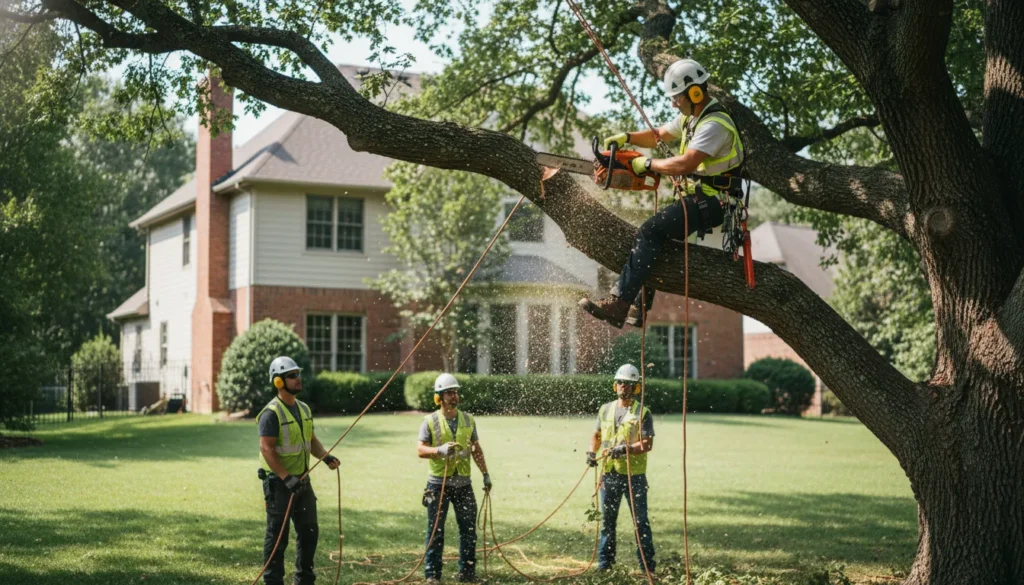
Overgrown Canopy Blocking Light: Fruit trees need sunlight penetrating through the crown to ripen fruit evenly. When your tree’s foliage becomes so dense that interior branches sit in permanent shade, production drops dramatically. Heavy canopies that gain excessive height also trap moisture against every leaf, creating conditions where fungus and disease thrive. Overcrowded leaves block airflow and reduce the space needed for healthy fruit development.
Watersprouts and Suckers Everywhere: Those vigorous vertical shoots sprouting from scaffold branches and the rootstock base steal energy from fruit production. Watersprouts grow fast but never bear quality fruit. Suckers emerging below the graft union can eventually overtake your grafted variety if left unchecked.
Crossing and Rubbing Branches: When limbs grow into each other at a narrow angle, the constant friction damages bark and exposes cambium to infection. These wounds become entry points for canker, decay, insect infestation, and pest damage. Proper pruning removes the weaker branch at the crotch before permanent damage occurs.
Dead and Dying Wood Throughout: Deadwood in your fruit tree isn’t just unsightly. It harbors disease organisms and insects that spread to healthy tissue. Dead branches also add unnecessary weight and pose safety hazards, breaking unexpectedly during storms or when loaded with fruit. Removing deadwood helps prevent breakage and protects the remaining structure.
Declining Fruit Quality and Yield: When your once productive tree starts bearing smaller, misshapen, or fewer fruits, the canopy likely needs rejuvenating. Old fruiting spurs lose vigor over time and produce weaker crops each season. Strategic heading cuts and selective thinning stimulate new productive growth and restore the tree’s bearing potential.
Our Fruit Tree Pruning Process
Fruit tree pruning at Quick Cut Tree Service follows a systematic approach developed over years of orchard and residential work.
Initial Assessment
Our arborist inspects your fruit trees, identifying the variety, age, and current health status. We diagnose any disease, pest damage, or structural problems. This evaluation determines whether your trees need light corrective pruning or heavy restorative cuts.
Custom Plan Development
We create a pruning strategy based on your goals. Want maximum fruit production? We’ll focus on opening the canopy and managing fruiting wood. Need to control height or reduce size? We’ll plan crown reduction cuts that maintain tree health and keep your trees within a manageable space.
Equipment Preparation
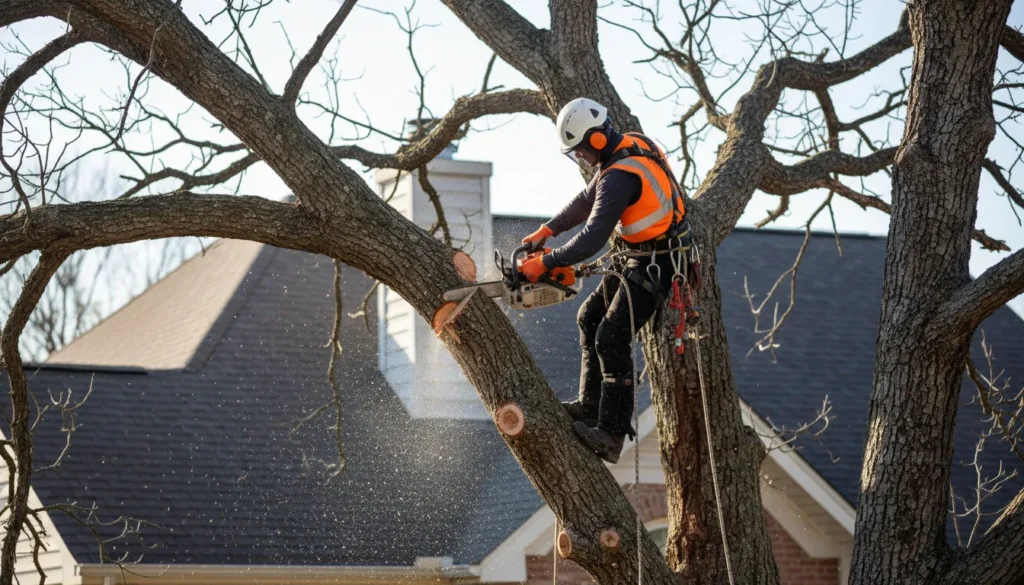
Our crew sharpens all cutting tools and disinfects blades before starting. Clean, sharp secateurs and saws make precise cuts that heal quickly, whether removing a branch half an inch across or several inches in diameter. We set up ladders, harnesses, and rigging equipment for safe access to tall specimens.
Systematic Pruning Execution
We work from the inside out, removing deadwood first, then crossing branches, watersprouts, and suckers. Next we remove excess growth to improve light penetration. Finally, we shape the remaining scaffold structure and select a strong lead branch on each main limb.
Site Cleanup and Review
All cut material gets chipped or hauled away. We walk through the completed work with you, explaining what we removed and why. You receive care recommendations for the coming season.
Brands We Use
Quick Cut Tree Service equips our fruit tree pruning crews with professional grade tools from manufacturers who understand orchard work.












Quick Cut Tree Service equips our crews with trusted industry brands.
Other Services
fruit tree pruning
fruit tree trimming
orchard maintenance service
prune fruit trees
cut back fruit trees
dormant season tree care
fruit tree pruning service
professional fruit tree trimming
residential orchard pruning
apple tree pruning
stone fruit pruning
deciduous fruit tree shaping
fruit tree arborist
certified fruit tree pruner
trained tree surgeon near me
fig tree pruning
walnut tree pruning
garden fruit tree care
control tree height
prevent branch breakage
fruit ripening support
remove excess growth
leaf curl treatment
insect pest management
FAQs About Fruit Tree Pruning
What is fruit tree pruning?
Fruit tree pruning is the selective removal of branches, shoots, and deadwood to improve tree structure, health, and fruit production. Arborists use specialized cuts to shape the canopy, manage fruiting wood, and prevent disease.
When should fruit trees be pruned?
Most deciduous fruit trees respond best to dormant season pruning in late winter before buds break. This timing lets you see the branch structure clearly and reduces stress on the tree. Stone fruits like peaches and cherries can also tolerate light summer pruning after harvest.
Why do fruit trees need annual pruning?
Fruit trees grow continuously and develop watersprouts, suckers, and crossing branches every year. Without regular pruning, canopies become overcrowded, fruit quality declines, and disease pressure increases. Annual maintenance keeps trees productive and manageable.
How much can you prune from a fruit tree at once?
The general guideline limits removal to 25 percent of the canopy in a single season. Removing more stresses the tree and triggers excessive watersprout growth. Severely neglected trees may need restorative pruning spread across two or three years.
Can improper pruning kill a fruit tree?
Yes. Topping cuts, flush cuts against the trunk, and removing too much foliage can permanently damage or kill fruit trees. Improper timing also causes problems. That’s why hiring a qualified arborist matters for valuable fruit trees.
Does Quick Cut Tree Service prune all fruit tree varieties?
We prune apple, pear, peach, plum, cherry, apricot, fig, persimmon, citrus, and most other common fruit trees grown in our service area. Our arborists adjust techniques based on each variety’s specific fruiting habits and growth patterns.