Brush Clearing
5 Highlights on Brush Clearing
Full parcel clearing from tangled undergrowth to dense thickets
Our brush clearing crews cut, grub, and remove overgrown vegetation across residential lots, commercial acreage, and municipal right of way parcels. We handle everything from scrubby understory and tangled vines to thick brambled hedgerows.
Forestry mulching for fast, low impact results
Our masticators and forestry mulchers grind standing brush, woody shoots, and invasive scrub directly into mulch on site. This eliminates the need for hauling and leaves a clean, stabilized surface ready for grading or reseeding.
Firebreak and defensible space creation
We slash, mow, and clear combustible vegetation including overgrown grass and dry brush to establish fuel breaks and defensible space zones around structures. Quick Cut follows local fire code requirements and defensible space ordinances.
Certified arborists and licensed operators on every crew
Each brush clearing job is led by ISA certified arborists who assess the site, flag specimen trees such as mature oaks for preservation, and direct safe removal of hazardous deadwood, widow makers, and unstable snags.
Complete debris management from chipping to composting
We chip, shred, and windrow all cleared material. Brush piles, slash, and woody debris get processed on site or hauled to approved disposal and recycling facilities. Nothing gets left behind.
Why Choose Our Brush Clearing
Brush clearing is a core service at Quick Cut Tree Service, and we’ve built our reputation on doing it right. Every customer receives dedicated customer service from the initial consultation through final cleanup. Our crews arrive with the equipment, training, and planning to clear your land safely and on schedule.
We carry full liability insurance and workers compensation coverage. Every crew member holds current safety certifications and follows OSHA regulations and ANSI standards for tree care operations. Our certified arborists conduct a hazard assessment before any cutting begins, identifying overhead wires, unstable trees, steep slopes, and underground utilities.
What separates us from general landscaping outfits is specialization. We own and operate dedicated brush clearing equipment including forestry mulchers, brush mowers, flail mowers, stump grinders, and grapple trucks. We don’t rent gear and figure it out on your property. Our operators run this machinery daily across residential yards, commercial tracts, utility easements, rural acreage, and landscape restoration projects.
Quick Cut provides written estimates with clear scope, timeline, and pricing. No hidden fees. No surprise charges for debris hauling or stump grinding. We guarantee the work area will be cleared to the specifications outlined in your contract.
We also hold TCIA accreditation, which means our company meets the tree care industry’s highest standards for safety, professionalism, and business practices. When you hire Quick Cut for brush clearing, you’re hiring a qualified, expert team that stands behind every job.
Signs You Need Brush Clearing
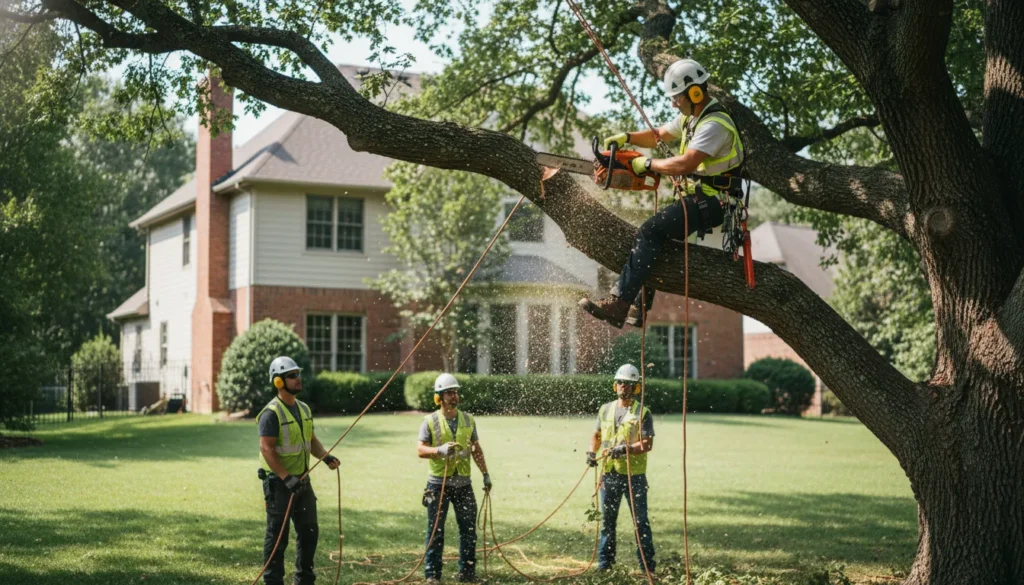
Brush clearing becomes necessary when vegetation on your property creates safety hazards, code violations, or land use problems. Here are five signs it’s time to call a professional brush clearing service.
Overgrown lots with dense, tangled undergrowth: When you can’t walk through your yard because thorny brambles, woody shoots, poison oak, and invasive scrub have taken over, that vegetation is past the point of hand clearing. Overgrown brush harbors ticks, snakes, and rodents, and contact with poison plants creates additional health risks. It also blocks drainage swales and accelerates erosion. A professional crew with a brush hog or forestry mulcher can reclaim that ground in a single day.
Combustible vegetation within your defensible space zone: Fire marshals and local ordinances require property owners to maintain cleared zones around structures. If dead brush, dry slash piles, or flammable understory growth has encroached within that buffer, you need brush clearing immediately. Dried scrubby vegetation and stacked deadwood act as fuel ladders that carry fire from ground level into the canopy.
Encroaching brush along fence lines, property lines, and right of way easements: Woody growth and suckering sprouts push into fence lines, wrap around posts, and obscure property boundaries. Utility companies require clear easement strips, and municipalities enforce setback ordinances. Neglected brush along these corridors leads to fines and access problems.
Storm damaged areas choked with fallen limbs and scattered debris: After wind events, ice storms, or lightning strikes, broken branches, fallen boughs, and uprooted saplings pile up across the ground. This tangled debris blocks access, creates tripping hazards, and smothers healthy ground cover underneath. Clearing this storm damaged brush restores safe passage and lets the remaining trees recover.
Land preparation for construction, planting, or grading: Before you can build, grade, or replant a parcel, the existing brush must go. Stumps need grinding. Root balls need excavating. Standing dead snags and hollow trunks need tree removal, sectioning, and disposal. Professional brush clearing prepares raw land for its next use without damaging the soil structure or surrounding trees you want to keep.
Our Brush Clearing Process
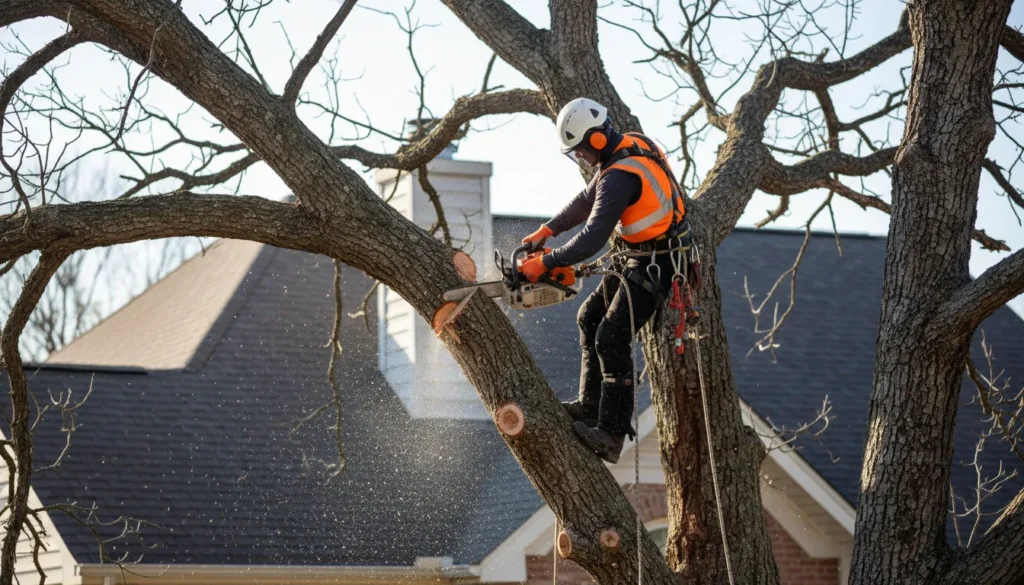
Brush clearing at Quick Cut follows a structured, step by step process that keeps every job safe, efficient, and thorough.
Site assessment and estimate
A certified arborist visits your property to survey the area, assess vegetation density, identify hazardous trees and snags, flag specimen trees or heritage trees for preservation, and note any overhead wires, slopes, or drainage features. You receive a detailed written estimate covering scope, equipment, timeline, and cost.
Permitting and preparation
We pull any required permits or variances based on local tree ordinances and preservation orders. Our crew leader conducts a job briefing covering the safety plan, exclusion zones, drop zones, and equipment staging areas.
Cutting and clearing
Crews handle tree removal of standing dead trees, lop overhanging limbs, and slash dense undergrowth and tall grass using chainsaws, brush cutters, clearing saws, and brush mowers. Forestry mulchers masticate woody brush directly into ground level mulch. Stumps get ground below grade.
Debris processing
All cut material goes through our wood chipper or shredder on site. We windrow mulch for erosion control, load brush into grapple trucks for hauling, or stack firewood grade logs for the property owner. Slash piles and brush piles are fully removed.
Site stabilization and cleanup
We rake, grade, and stabilize exposed soil. Depending on the contract, we apply hydroseeding, erosion blankets, or silt fencing to prevent runoff and sediment loss. A final walk through with the property owner confirms the cleared area meets every specification and is ready for the next phase of landscape use.
Brands We Use
Quick Cut Tree Service runs professional grade equipment from trusted manufacturers built for demanding brush clearing work.






Every piece of equipment is inspected before each job.
Other Services
Brush clearing
Brush removal service
Land clearing and grubbing
Brush clearing service
Lot clearing service
Forestry mulching service
Professional brush clearing
Vegetation clearing
Overgrown lot cleanup
Residential brush clearing
Property clearing
Defensible space clearing
Commercial brush clearing
Right of way clearing
Invasive brush removal
FAQs About Brush Clearing
What is brush clearing?
Brush clearing is the removal of overgrown vegetation, woody undergrowth, scrub, vines, tall grass, and tangled brush from a parcel of land. It includes cutting, mowing, mulching, grubbing stumps, and hauling debris. Professional brush clearing restores usable ground and eliminates fire hazards, pest habitat, and code violations.
When is the best time to schedule brush clearing?
Late fall through early spring works best for most properties. Vegetation is dormant, the ground is firmer, and there’s less active growth to manage. That said, Quick Cut performs brush clearing year round. Emergency clearing after storms or for fire mitigation doesn’t wait for a season.
Why should I hire a professional instead of clearing brush myself?
Dense, overgrown brush hides hazards you can’t see: unstable snags, hollow trunks, underground utilities, poison oak, widow makers lodged in the canopy. Professional crews carry the right equipment, training, and insurance to handle these risks. A forestry mulcher clears in hours what would take days by hand.
How much does brush clearing cost?
Cost depends on acreage, vegetation density, terrain, and debris disposal method. A small residential lot with light scrub costs far less than a steep, remote tract choked with thick woody growth. Quick Cut provides free on site estimates with transparent pricing.
Can you clear brush without damaging trees I want to keep?
Yes. Our arborists flag and protect designated trees before any clearing begins. We establish tree protection zones around root flares and critical root zones for valued species like oak and other mature hardwoods, then direct equipment and cutting operations away from those areas. Selective brush clearing preserves the trees that matter to you.
Does brush clearing help with fire prevention?
Absolutely. Removing combustible brush, dead slash, and dense understory vegetation creates firebreaks and defensible space around structures. This is one of the most effective steps a property owner can take to reduce wildfire risk and meet local fire code requirements.