Root Removal
5 Highlights on Root Removal
Complete rootball extraction
Using professional stump grinders, heavy equipment, and excavation tools to eliminate the entire root system, including taproots and lateral roots that spread beneath your property
Certified arborists
Assess each job site, identifying fibrous and woody root structures that require specialized pruning and removal techniques for dead, diseased, or hazardous trees
Licensed and insured groundsmen
Operate bucket trucks and cranes to access difficult root systems in residential and commercial properties safely
Debris hauling included
With every root removal service—we clear all roots, brush, and trunk remnants, leaving your yard ready for new landscaping, plants, fence repair, or construction
Stump grinding services
Paired with root extraction ensure no decayed or rotted material remains underground to attract pests or cause future settling issues
Why Choose Our Root Removal
Root removal is the foundation of proper tree elimination. Quick Cut Tree Service delivers complete extraction that competing companies skip.
Our certified arborists bring decades of combined experience. They understand root anatomy. Taproots dive deep. Lateral roots spread wide. Fibrous networks tangle through soil in unpredictable patterns. We trace and remove them all.
We carry full commercial liability insurance and workers’ compensation coverage. Our crews hold ISA certifications and maintain current safety training. You get qualified professionals, not day laborers with chainsaws.
Our equipment makes the difference. Professional stump grinders cut through hardwood and softwood root systems efficiently. Excavation tools extract rootballs without destroying surrounding landscape. Our crews also use hand saws, axes, and shovels for precision work in tight spaces. Chippers process debris on site.
We guarantee complete root removal. If roots resurface or sprout new growth within one year, we return at no charge. This commitment protects your investment in landscaping, hardscaping, or construction projects.
Quick Cut Tree Service provides a free estimate with transparent pricing. No hidden fees. No surprise charges for difficult root systems. The price we quote is the price you pay.
Signs You Need Root Removal
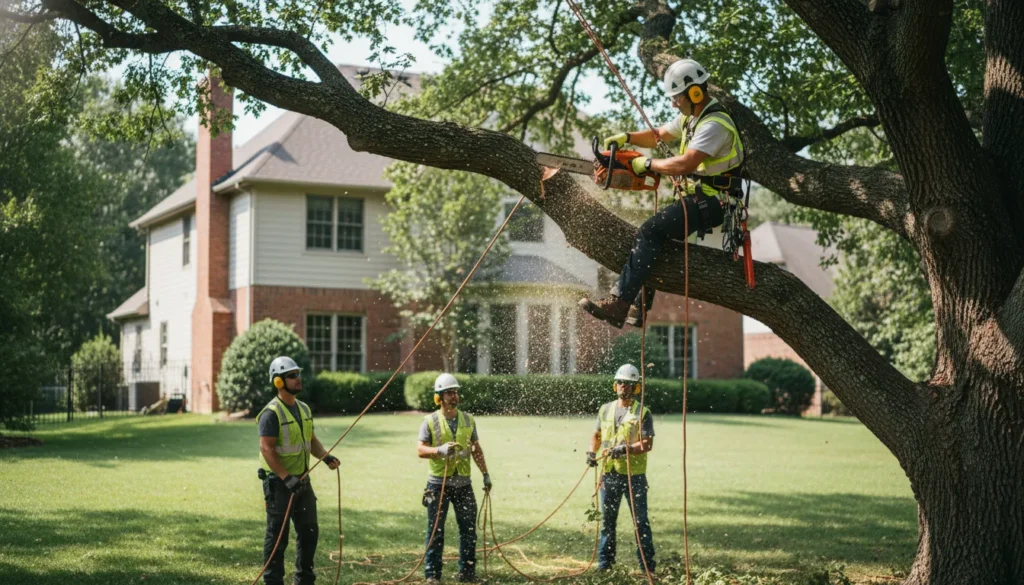
Root removal becomes necessary when underground tree structures threaten your property or plans. Watch for these five warning signs.
Visible surface roots spreading across your lawn: Mature trees push lateral roots above ground level over time. These gnarled, woody protrusions create tripping hazards and damage lawn equipment. They indicate extensive underground networks requiring professional extraction. Left unchecked, surface roots also push against fence lines and damage nearby plants.
Cracked foundations, driveways, or sidewalks: Invasive root systems exert tremendous pressure as they grow. Taproots can penetrate concrete. Lateral roots lift and crack patio slabs, fence posts, and other hardscape surfaces. Once you notice structural damage, the root system has already grown substantial enough to require complete removal.
Sewer line backups or slow drains: Roots seek moisture. They infiltrate pipe joints and grow inside sewer lines, causing blockages. A plumber may clear the immediate clog, but root removal eliminates the source permanently. Fibrous roots are particularly problematic—they form dense masses inside pipes. Installing a root barrier after removal prevents future infiltration.
Planning construction or landscaping projects: New patios, pools, additions, or gardens require clear ground and adequate space. Decayed stumps and remaining root systems cause settling and shifting. Contractors often require proof of root removal before beginning work. Excavation reveals hidden rootballs that surface inspection misses.
Fungal growth or pest activity around old stumps: Rotted and hollow root systems attract termites, carpenter ants, and wood-boring beetles. Mushrooms sprouting near stumps indicate decay spreading through underground roots. These dormant hazards threaten nearby healthy trees and structures.
Our Root Removal Process
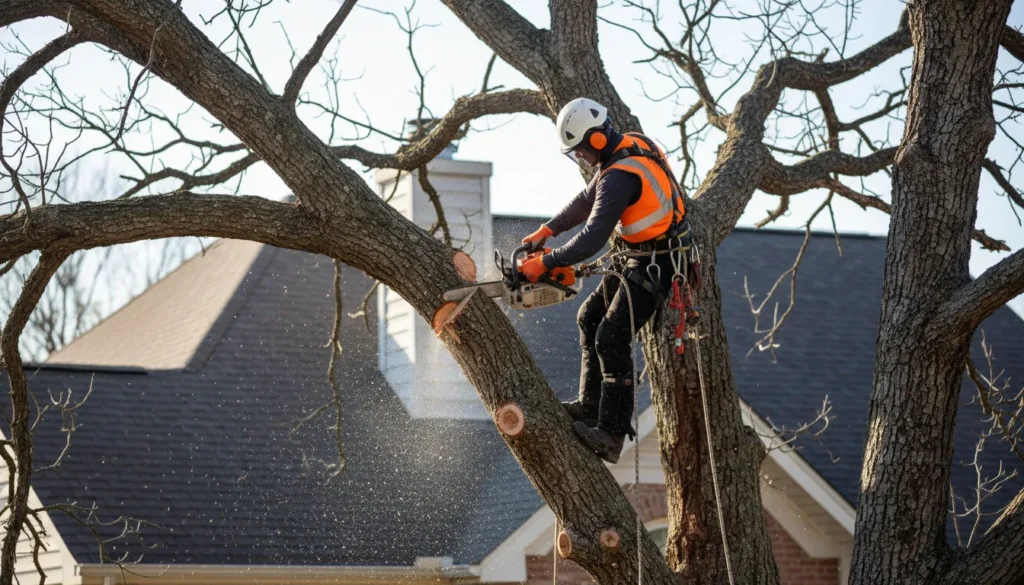
Root removal is a systematic process requiring proper assessment, equipment, and technique. Quick Cut Tree Service follows proven steps for every extraction.
Site inspection comes first
Our arborist examines the stump diameter, estimates root spread, and identifies underground utilities. We check for irrigation lines, gas pipes, and electrical conduits before any digging begins. This assessment determines equipment needs and project timeline.
Stump grinding initiates removal
Our operators use commercial grinders to cut the stump below grade level. Grinding continues eight to twelve inches deep, destroying the root crown where lateral roots connect to the trunk base. For persistent species, we apply chemical root treatment using approved chemicals to prevent regrowth from remaining fragments.
Excavation exposes remaining roots
Groundsmen dig around the perimeter, following major roots outward. We extract the taproot and primary lateral roots manually or with mechanical assistance. Tangled, fibrous root masses require careful separation from soil using shovels, a hand saw, or an axe to cut through stubborn wood.
Debris processing happens on site
Our chipper converts roots and wood material into mulch. You can keep the woodchips for landscaping or we haul everything away. We remove all brush, bark, and cambium material from your property.
Backfill and grading complete the job
We fill the excavation with clean topsoil, compacting layers to prevent settling. Final grading leaves the area level and ready for grass seed, sod, new plants, or your next project. We can also install a root barrier to protect nearby structures and fence lines.
Brands We Use
Root removal demands commercial grade equipment built for demanding conditions.








We maintain all machinery according to factory specifications, ensuring reliable performance and operator safety on your property.
Other Services
root removal
tree root extraction
underground root system
stump and root removal
rootball removal
lateral root excavation
root removal service
professional root extraction
taproot removal
tree root removal cost
root grinding service
invasive root elimination
root removal near me
residential root extraction
complete root system removal
chemical root removal
root barrier installation
removal services
root pruning service
free estimate root removal
heavy equipment root extraction
FAQs About Root Removal
What is root removal?
Root removal is the complete extraction of underground tree structures after cutting or felling. This process eliminates stumps, taproots, lateral roots, and fibrous root networks from your property. Professional removal prevents regrowth and prepares ground for future use.
When should roots be removed?
Roots should be removed immediately after tree cutting if you plan construction, landscaping, or hardscape installation. Waiting allows decay to set in, attracting pests. Dormant roots can also sprout new growth, creating additional removal challenges later.
Why do roots need professional extraction?
Root systems extend far beyond visible stumps. A mature tree’s roots spread two to three times wider than its canopy. Professional arborists have equipment to trace and extract these hidden networks completely. DIY attempts typically leave substantial root material underground.
How deep do tree roots grow?
Most lateral roots grow within twelve to eighteen inches of the surface. Taproots on certain species penetrate three feet or deeper. Our stump grinders and excavation equipment reach these depths to ensure complete removal.
Can roots damage my foundation after tree removal?
Dead roots eventually decay, creating underground voids. Soil settles into these spaces, potentially causing foundation movement. Removing roots eliminates this risk and provides stable ground for structures.
Does root removal include cleanup?
Quick Cut Tree Service includes complete debris removal with every root extraction. We haul away all roots, brush, and wood material unless you request mulch or woodchips for personal use.