Deadwood Removal
5 Highlights on Deadwood Removal
Certified arborist assessment
Our licensed tree surgeons inspect every tree’s crown, canopy, and trunks to identify dead, dying, and diseased limbs, assessing health risks to surrounding plants and wildlife before removal begins.
Professional rigging systems
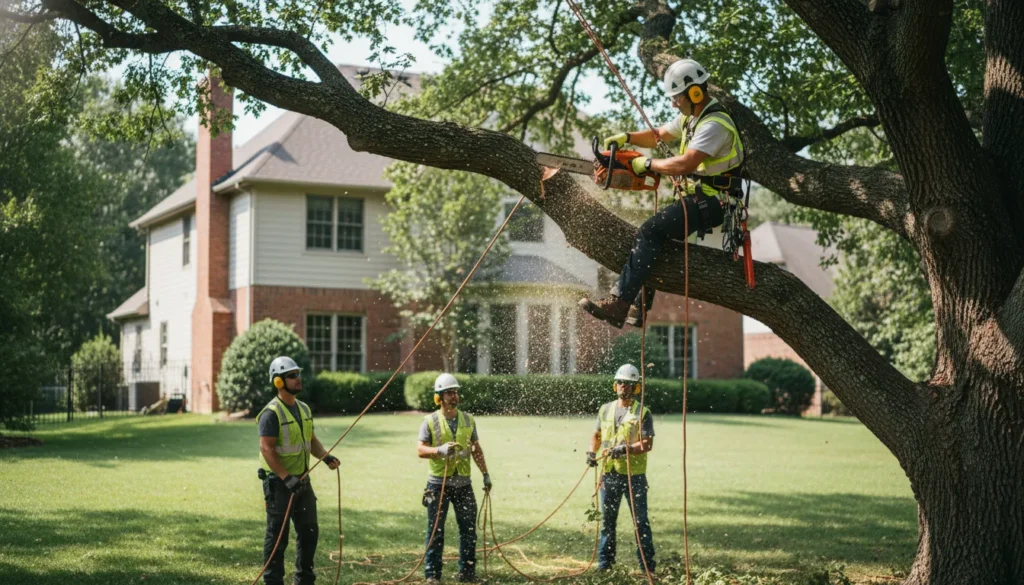
We use specialized ropes, harnesses, and carabiners to lower severed branches safely into designated drop zones without damaging your landscape.
Complete debris hauling
Our crew removes all cut limbs, branches, and brush from your property, leaving the work zone clean and clear.
Chipper processing on site
Dead wood gets fed through our commercial chipper, converting hazardous material into useful mulch or woodchips for your garden beds and soil enrichment.
Storm damage response
We handle widow makers, hangers, and splintered branches left behind after severe weather events, providing emergency response and restoring safety to your outdoor spaces within 24 hours.
Why Choose Our Deadwood Removal
Deadwood removal is a specialized service requiring trained professionals with proper equipment and safety protocols. Quick Cut Tree Service employs certified arborists who understand tree biology, decay patterns, structural integrity, and the ecological role deadwood plays within a healthy ecosystem.
Our crew holds current licensing and carries full insurance coverage. We protect your property. We protect ourselves. We protect you from liability.
Dead branches present real dangers. A brittle limb can fall without warning, causing injury or striking people, vehicles, or structures below. Hollow sections hide internal rot that weakens attachment points. Our team identifies these compromised areas through careful inspection and diagnoses the extent of decay before cutting begins.
We bring bucket trucks and cherry pickers to reach high canopy work safely. For trees near power lines or buildings, our rigging specialists use crane assisted removal techniques. Every job gets a written estimate detailing the scope of work, equipment needed, and timeline for completion.
Quick Cut Tree Service has removed deadwood from residential yards, commercial properties, nurseries, and municipal parks throughout the region. Our professional reputation comes from consistent results and honest pricing. We show up on time, complete the work as quoted, and clean up thoroughly before leaving.
Signs You Need Deadwood Removal
Deadwood removal becomes necessary when trees display visible indicators of decline or structural failure. Recognizing these warning signs early prevents accidents and property damage.
Brittle branches without leaves: Healthy limbs produce foliage during growing season. Dead branches remain bare while surrounding growth flourishes. The bark often falls away, exposing dry sapwood underneath. These lifeless sections snap easily under wind pressure or added weight from ice and snow.
Fungal growth on limbs: Mushrooms, conks, bracket fungi, and lichens growing from branches signal internal rot and decomposition. The fungus feeds on dead heartwood, hollowing out the limb from inside. What looks solid may be structurally compromised and ready to break.
Hanging or severed branches: Storm damaged trees often retain partially attached limbs caught in the canopy. These hangers, sometimes called widow makers, can drop unexpectedly. Any branch suspended overhead poses an immediate hazard requiring professional extraction.
Visible cavities and splits: Open wounds, deep cracks at branch crotches, and hollow sections indicate advanced deterioration. Boring insects and invertebrates like beetles and termites often infest these weakened areas, while animals use cavities as roosting habitats, accelerating the decay process.
Bark discoloration and peeling: Diseased or dying branches show unusual bark patterns. Look for dark staining, sunken cankers, or large sections where bark has separated from the wood beneath. These symptoms often spread to healthy portions if left untreated.
Our Deadwood Removal Process
Professional deadwood removal follows a systematic approach that prioritizes safety, proper maintenance, and thoroughness at every stage.
Initial inspection
Our arborist visits your property to assess the trees in question. We examine the crown structure, identify all dead and dying limbs, check for disease or infestation, and note any hazards like power lines or nearby structures. You receive a detailed estimate within 48 hours.
Site preparation
On service day, our crew establishes a clear work zone beneath target trees. We position equipment, set up drop zones for cut material, and ensure bystanders stay at safe distances. Protective measures shield landscaping, fences, and other features from falling debris.
Climbing and cutting
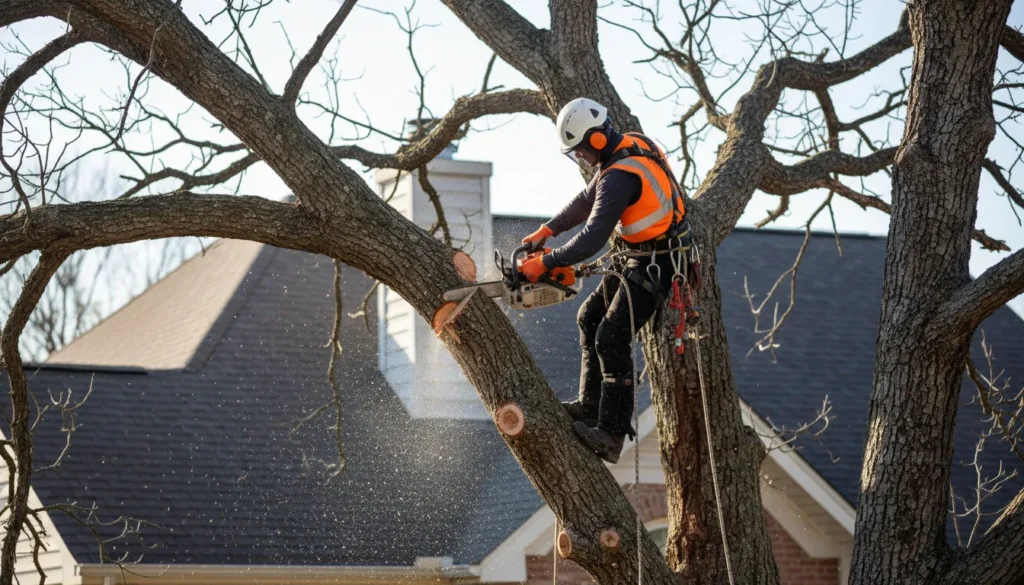
Trained climbers ascend using saddles, ropes, and proper rigging. They remove deadwood systematically, starting from outer branches and working toward the trunk. Each cut follows industry standards—proper notching prevents bark tearing and promotes wound closure.
Lowering and processing
Severed limbs get lowered on ropes or allowed to fall into designated areas depending on size and location. Ground crew members buck larger sections into manageable pieces, then feed brush and branches through the chipper.
Cleanup and departure
We rake the entire work zone, collecting sawdust, woodchips, and small debris. Processed mulch stays on site if you want it, or we haul everything away. A final walkthrough confirms the job meets your expectations.
Brands We Use
Deadwood removal demands reliable equipment that performs under demanding conditions. Quick Cut Tree Service invests in professional grade tools from manufacturers known for durability and safety.








Your deadwood removal job gets completed with gear that professionals trust worldwide.
Other Services
deadwood removal
dead branch removal
tree pruning services
dead limb cutting
hazardous limb removal
arborist tree care
dead tree branch service
dying branch removal
professional tree trimming
deadwood pruning
decayed wood removal
certified tree surgeon
dead branch cleanup
storm damaged limb removal
residential tree services
FAQs About Deadwood Removal
What is deadwood removal?
Deadwood removal is the process of cutting and extracting dead, dying, or decayed branches from trees. Arborists identify compromised limbs, safely sever them from the tree, and dispose of the material. This service eliminates hazards while promoting healthier growth in remaining live wood.
When should I schedule deadwood removal?
Late winter through early spring works best for most species. Trees are dormant, making dead sections easier to spot against bare branches. Scheduling before storm season reduces the chance of unexpected limb failure during high winds or heavy rain.
Why do trees develop deadwood?
Trees naturally shed branches that no longer receive adequate sunlight, water, or nutrient supply. Disease, insect infestation, physical damage, and age also cause limbs to die. Fungal infections like heart rot spread through wounds, killing sections from the inside out.
How do arborists remove deadwood safely?
Trained climbers use ropes and rigging to access high branches. They make precise cuts that minimize stress on the tree and prevent bark tearing. Large limbs get lowered on lines rather than dropped freely. Ground crews manage debris and operate chippers.
Can deadwood removal save a dying tree?
Removing dead and diseased branches often helps struggling trees recover. Eliminating infected sections stops disease spread. The tree redirects energy toward healthy growth instead of maintaining dying limbs. Regular deadwood removal extends the productive life of mature trees.
Does deadwood attract pests?
Dead branches provide habitat for wood boring beetles, termites, carpenter ants, and other insects. While deadwood supports biodiversity by offering food sources and nutrient recycling in natural settings, unmanaged deadwood near structures creates problems. These pests may spread to healthy portions of the tree or nearby structures. Prompt deadwood removal reduces infestation risk on your property.