Crown Reduction & Thinning
5 Highlights on Crown Reduction & Thinning
Certified arborists
assess your tree’s structure, identifying co-dominant leaders, included bark, and weak branch unions before making any cuts at the proper branch collar.
Selective branch removal
targets crossing limbs, rubbing laterals, and competing leaders while preserving the natural scaffold structure and terminal buds.
Weight reduction techniques
address top-heavy canopies and lopsided growth patterns, creating wind-resistant crowns that withstand storm damage.
Proper pruning cuts
follow the branch bark ridge, avoiding flush cuts and stub cuts that leave trees vulnerable to decay, rot, and fungal infection.
Full-service cleanup
includes chipping brush, hauling debris, and leaving your property cleaner than we found it—no scattered twigs or sawdust piles left behind.
Why Choose Our Crown Reduction & Thinning
Crown reduction and thinning is specialized work. It demands trained climbers who understand tree biology, branch architecture, and proper cutting techniques. Quick Cut Tree Service employs certified arborists with credentials from the International Society of Arboriculture. We carry full liability insurance and workers’ compensation coverage.
Our crews work residential and commercial properties throughout the region. We’ve thinned dense oak canopies shading out lawns. We’ve reduced overgrown maples threatening power lines. We’ve balanced lopsided elms that homeowners worried would fail in the next windstorm.
Every job starts with a thorough inspection. We assess the crown’s condition, check for diseased or dead limbs, and identify structural defects like included bark or decayed unions. Then we develop a pruning plan specific to your tree’s species, age, and location.
We guarantee clean cuts. No topping. No lion-tailing. No improper techniques that stress trees and create hazardous epicormic growth. Our work follows ANSI A300 pruning standards.
Request your free estimate today. We’ll walk your property, explain exactly what your trees need, and provide transparent pricing with no hidden fees.
Signs You Need Crown Reduction & Thinning
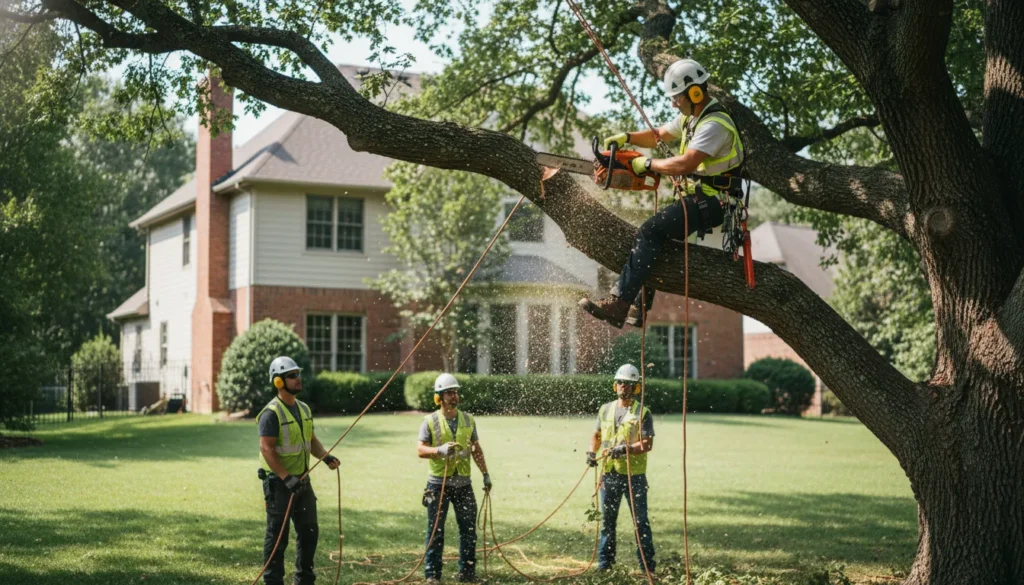
Dense, overgrown canopy blocking sunlight: When foliage becomes so thick that grass, garden beds, and understory plants die beneath the drip line and lower branches lose vigor from shade, thinning opens the crown. Removing select laterals allows light penetration and air circulation, reducing trapped moisture and conditions that favor fungal disease.
Branches rubbing against your roof or siding: Limbs that contact structures cause damage. They scrape shingles, clog gutters with debris, and provide pest access to your building. Crown reduction pulls the canopy back from structures while maintaining the tree’s natural form.
Co-dominant leaders with included bark: Two leaders of equal size growing from the same union create a structural weakness. Bark gets trapped in the crotch. The union lacks strength. These formations split during storms. Reduction pruning removes one leader before failure occurs.
Top-heavy or unbalanced growth pattern: Trees that lean, list to one side, or carry excessive weight on extended laterals pose hazard risks. Wind catches the unbalanced canopy. Roots strain against the load. Strategic weight reduction through selective cuts restores equilibrium.
Storm-damaged crown with broken or hanging limbs: After severe weather, damaged branches need professional removal. Torn limbs with ragged wounds invite decay. Hanging branches threaten anyone below. Our crews respond to emergency situations and restore damaged crowns through corrective pruning.
Our Crown Reduction & Thinning Process
Crown reduction and thinning follows a systematic approach from initial assessment through final cleanup.
Site inspection and tree assessment
Our arborist examines the crown structure, identifies target branches, checks for decay or disease, and notes any obstacles like power lines, fences, or structures within the drop zone.
Estimate and work plan
You receive a written proposal detailing the scope of work, pricing, and timeline. We explain which branches we’ll remove and why. No surprises.
Crew mobilization and setup
Our team arrives with chainsaws, handsaws, pole saws, rigging equipment, and safety gear. We establish work zones, position the chipper, and lay tarps to protect your landscape.
Climbing and cutting
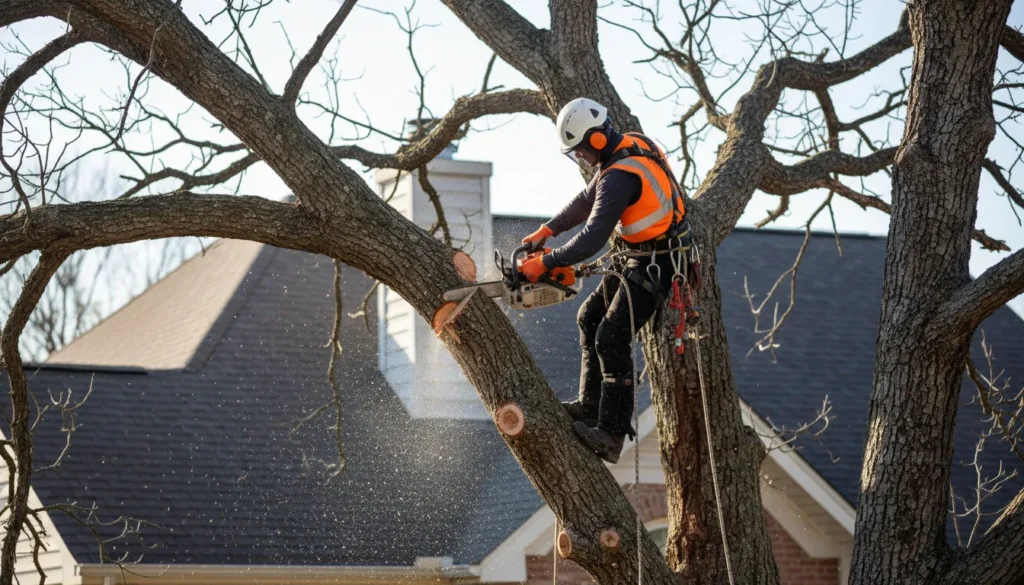
Certified climbers ascend using rope and saddle systems. They make precise cuts at branch collars, lowering large limbs with rigging when necessary. Groundsmen feed brush into the chipper continuously.
Final inspection and cleanup
The foreman inspects all cuts, rakes debris, blows surfaces clean, and walks the property with you. We haul away all brush, logs, and chips unless you want mulch left on site.
Brands We Use
Quick Cut Tree Service invests in trusted brands that perform reliably and safely.





Quality equipment protects our crew and your trees.
Other Services
crown reduction
canopy reduction
reduce tree crown size
crown thinning
canopy thinning
thin tree branches
tree pruning service
professional tree pruning
prune overgrown trees
branch removal
limb removal
remove dead branches
tree trimming
tree cutting service
FAQs About Crown Reduction & Thinning
FAQs About Tree Removal
What is crown reduction and thinning?
Crown reduction decreases the overall size of a tree’s canopy by cutting branches back to lateral limbs. Thinning removes select branches throughout the crown to reduce density. Both techniques maintain the tree’s natural shape while addressing size, weight, or clearance concerns.
When should trees receive crown work?
Late dormant season works best for most deciduous species—late winter before buds break. The tree stores energy reserves, wounds compartmentalize quickly, and bare branches let arborists see the structure clearly. Some species tolerate summer pruning. Our arborists advise on timing for your specific trees.
Why thin a tree crown instead of topping it?
Topping removes large branches indiscriminately, leaving stubs that decay and trigger vigorous watersprout growth. The result looks ugly and creates future hazards. Thinning selectively removes branches at proper union points, preserving structure and health.
How much of the crown can you remove safely?
Industry standards recommend removing no more than 25% of live foliage in a single season. Removing more stresses the tree, depletes energy reserves, and stimulates excessive epicormic growth. Severely overgrown trees may need reduction spread across multiple years to manage new growth responsibly.
Can crown reduction save a tree that's too big for its space?
Often, yes. Reduction pruning can decrease a tree’s height and spread by 10-20% while maintaining natural form. This buys clearance from structures and utilities. Some situations require removal, but reduction offers a tree preservation option worth considering.
Does crown thinning help with storm damage prevention?
Thinned crowns allow wind to pass through rather than catching it like a sail. This reduces stress on the trunk and root system during high winds. Combined with removing weak unions and deadwood, thinning significantly decreases storm failure risk.